
Why Do You Want to Become a Firefighter?
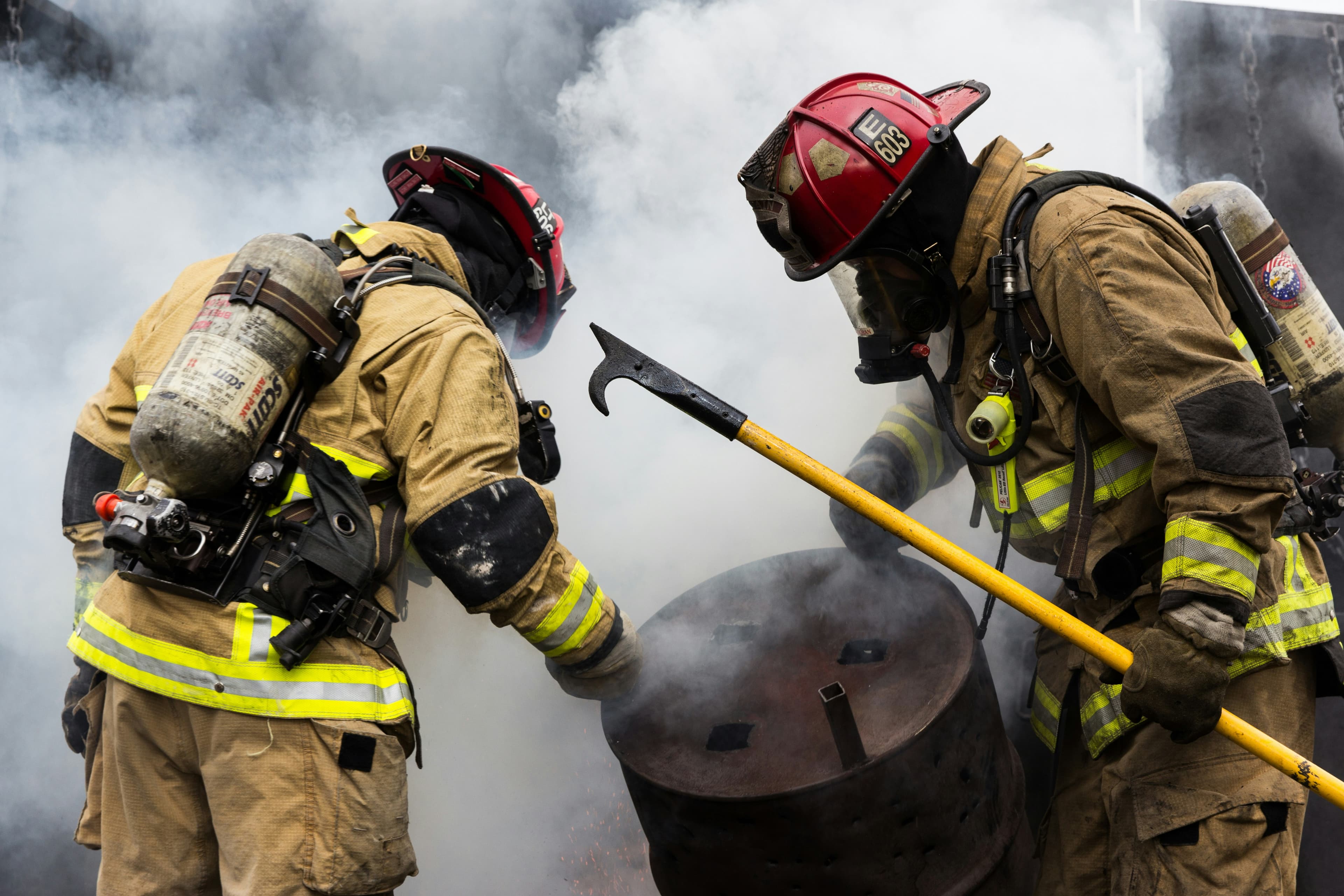
"Why do you want to be a firefighter?" is one of the most common fire department interview questions — and one of the most frequently answered poorly. Interviewers aren't looking for a generic answer about wanting to help people. They're evaluating your understanding of the profession and your motivations for pursuing it.
What They're Actually Asking
When a panel of firefighters asks why you want the job, they're listening for a few things: Do you understand what the job actually involves? Have you done the work to prepare? Do your motivations align with what the department values?
Answers centered on excitement, heroism, or the lifestyle the job represents — while not disqualifying — aren't what moves candidates forward. Strong answers are grounded in service, community, and a demonstrated understanding of what the daily reality of the job looks like.
Avoid These Common Mistakes
Don't lead with 'I've always wanted to be a firefighter since I was a kid.' While this may be true and is not a bad thing to mention, starting there signals that you haven't thought deeply about your answer. Nostalgia isn't a reason.
Avoid answers that are primarily about what the job gives you — schedule, salary, benefits, excitement. Fire departments are looking for people whose primary orientation is toward what they can give to the community and the department.
Don't give a generic answer that could apply to any public service job. Be specific to the fire service.
Elements of a Strong Answer
A compelling answer typically connects personal experience, preparation, and values. If you've volunteered, worked as an EMT, served in the military, or have another relevant background, draw a direct line from that experience to your desire to join the fire service.
Demonstrate that you understand the job — not just the emergency response side, but the fire station culture, the training requirements, the physical demands, and the community engagement role. Showing this understanding signals that your decision is informed.
Connect your answer to this specific department when possible. Mention something genuine about the community they serve, the department's reputation, or the specific type of work they do. Generic answers work against you in competitive processes.
A Framework That Works
Consider structuring your answer around three elements: where your motivation comes from (personal experience or values), what you've done to prepare (training, certifications, volunteer work), and what specifically draws you to this department and this community.
Keep it concise. Two to three minutes is appropriate. Practice it out loud until it sounds natural — not rehearsed. Panels have heard thousands of answers to this question. Authenticity stands out.