
Polygraph Examinations in Fire Service Hiring
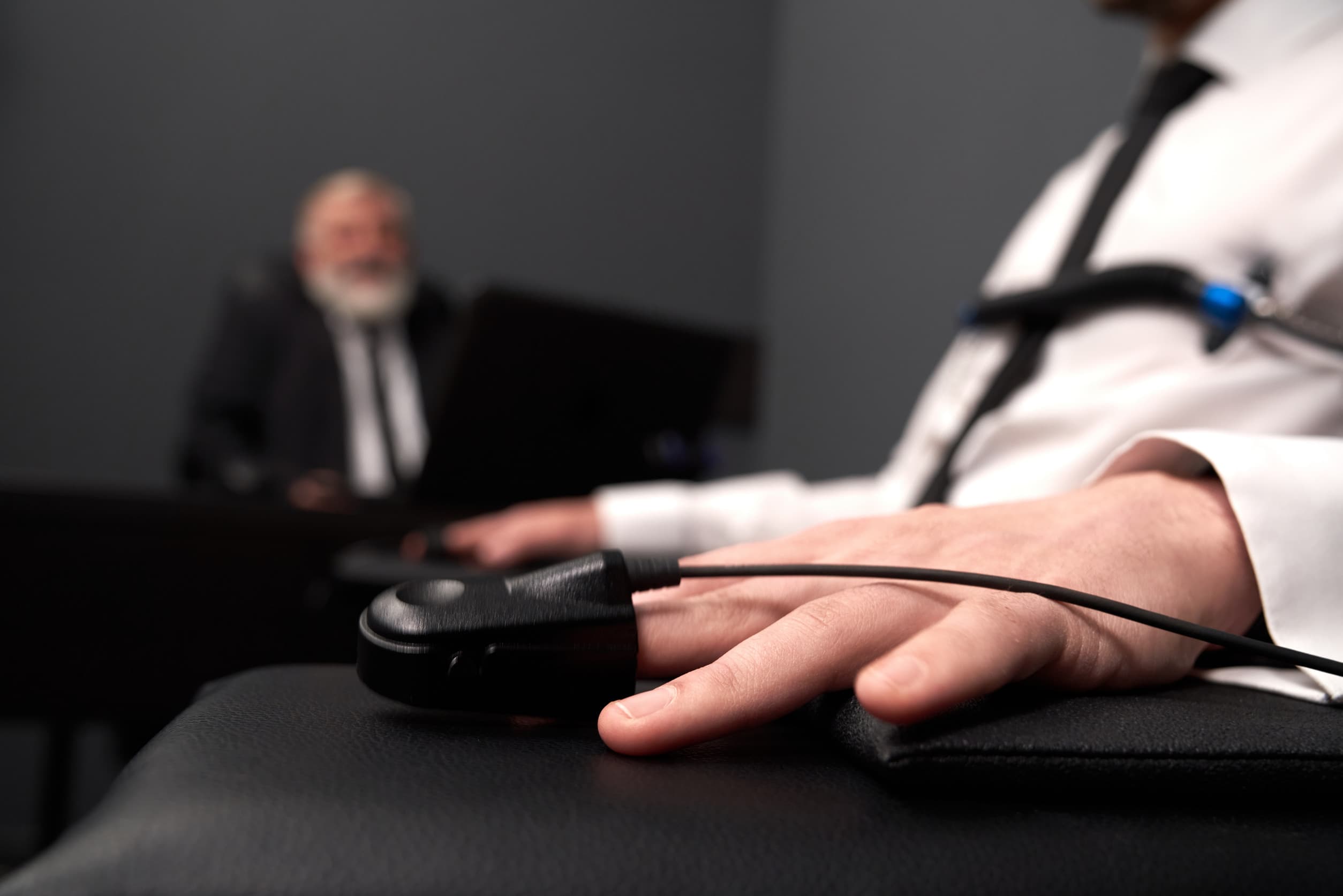
Polygraph examinations are used by many fire departments as part of the hiring process, particularly for positions that may involve law enforcement liaison or access to sensitive information. If you've never taken one, the process can feel intimidating — but understanding what to expect goes a long way toward reducing anxiety.
What a Polygraph Measures
A polygraph measures physiological responses — breathing rate, heart rate, blood pressure, and galvanic skin response (sweating) — while you answer questions. The theory is that deceptive answers produce detectable stress responses.
It's important to understand that polygraphs are not lie detectors in the scientific sense. Courts generally don't admit polygraph results as evidence. However, fire departments use them as an investigative tool, and many candidates disqualify themselves not by failing the test, but by what they reveal during the pre-test interview.
The Pre-Test Interview
Before the exam itself, the polygraph examiner will conduct an extensive interview reviewing your background, your personal history statement, and the questions that will be asked during the exam. This pre-test interview is where most admissions happen.
Examiners are trained interviewers who build rapport and create an environment where people feel comfortable disclosing. Many candidates reveal disqualifying information during this stage that investigators had no prior knowledge of.
Types of Questions
Polygraph exams for public safety hiring typically cover drug use history, criminal history, theft (including from employers), financial fraud, and conduct that would disqualify you from the position. Questions are reviewed with you before the exam begins.
There are two types of questions in most exams: relevant questions (directly related to the investigation) and comparison questions (somewhat provocative questions designed to create a baseline stress response in most people). The examiner uses the comparison between these response patterns to reach conclusions.
How to Prepare
The best preparation is the same as for any other part of the process: be honest. Trying to beat the polygraph through controlled breathing, mental imagery, or other countermeasures is generally ineffective and, if detected, results in immediate disqualification.
Get adequate sleep the night before. Arrive rested, have a normal meal, and avoid excessive caffeine. Some medications can affect physiological responses — notify the examiner if you are taking any prescription medications.
Review your personal history statement thoroughly beforehand so your answers are consistent with what you've already disclosed. Inconsistency — not the underlying behavior — is what gets most candidates in trouble.
If You Have Something in Your Past
Many departments do not automatically disqualify for past drug use, especially marijuana. What matters is recency, frequency, and honesty. A candidate who discloses past recreational marijuana use and has been clean for several years is in a very different position than one who lies about it.
If you are concerned about something in your past, consult the department's published disqualifiers before applying. Some issues are absolute disqualifiers; many are not. Honesty almost always puts you in a better position than concealment.