On Getting Hired
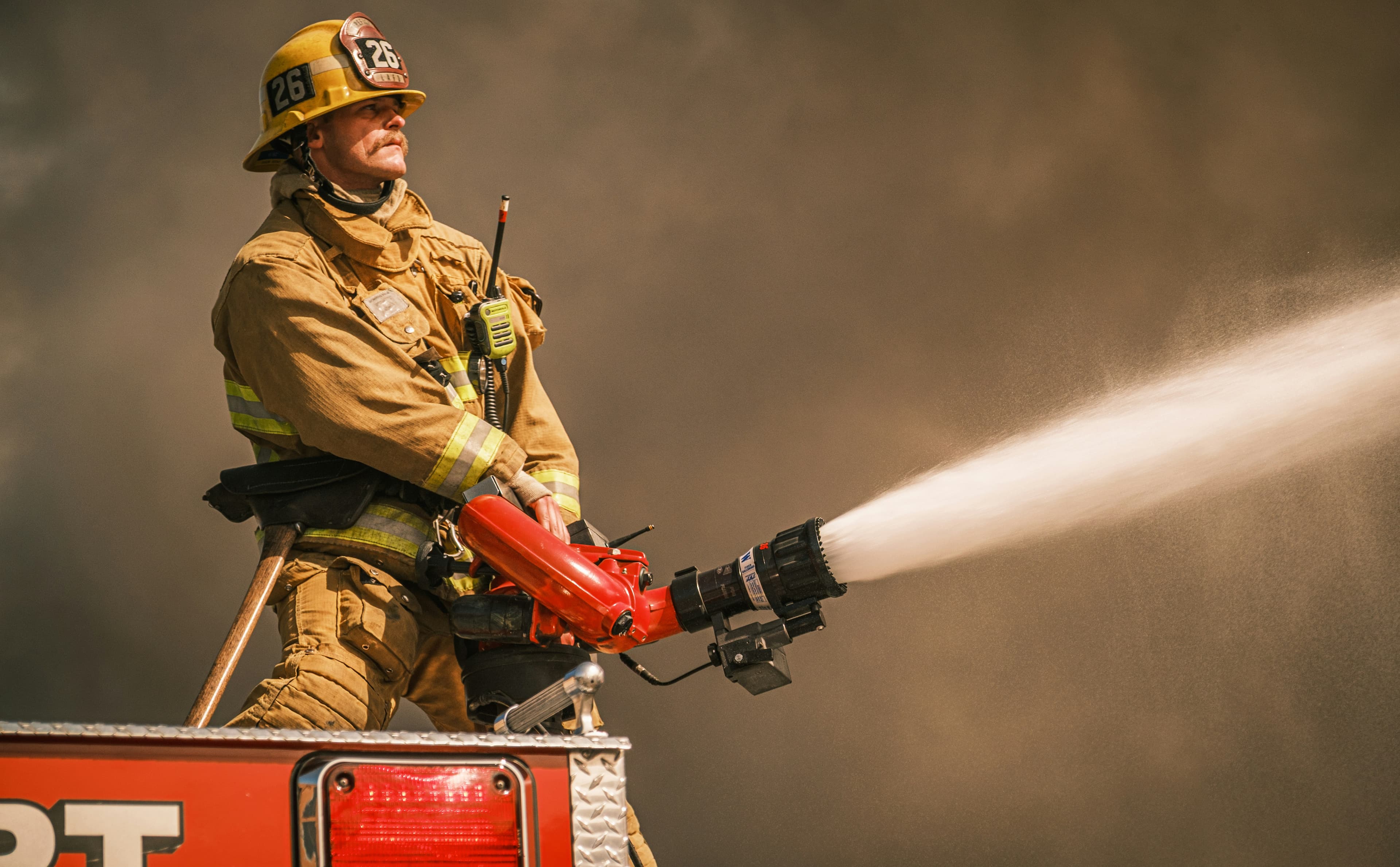
A fire engine screams by — you can't ignore the air horn, the siren, the machine shined to the max. You glance up and see smoke rising on the horizon. You think: I'd really like to be on that fire engine. In most cases the fire service is an outstanding career. But you must be properly informed about what it actually involves before you pursue it.
What the Testing Process Actually Involves
Usually there are several segments to the testing process for most fire departments. The processes differ by jurisdiction, and the order of stages varies. First you must locate the job notice. You'll find these at state or city employment centers, in newspapers, or online. Read the position qualifications carefully and determine if you qualify before investing time in the process.
The testing process typically includes a written entrance exam, oral board interview, physical agility test, psychological profile, extensive medical exam, possibly a polygraph, an extensive background investigation, and a final interview with the Chief or designee. Many candidates give up along the way. Do not ever get discouraged — those who persist are the ones who get hired.
General Requirements
Fire fighting is a public safety position of trust. Any public safety position requires you to be a good, reliable citizen — trustworthy, honest, and loyal. This includes a clean driving record (typically no more than one speeding ticket in three years) and in many cases a good credit record.
If you are going to have waiting time before you are eligible to test, make it productive time. Pursue education, earn certifications, and get your application materials organized. Keep an up-to-date abstract of your driving record, birth certificate, social security card, diplomas, and professional certificates in a testing packet ready to go.
The Role of Experience
Most large fire departments do not require prior firefighting experience for entry-level positions — they run their own recruit academies lasting two to three months. However, some smaller departments require experience or even prior volunteer service with that same department before considering candidates for career positions.
Volunteer fire service experience is valuable. It exposes you to the tools, equipment, and evolutions used in the fire service, and it demonstrates commitment. If and when you get to a recruit academy with prior experience, bring a willingness to learn their way — not an attitude about how things were done somewhere else.
Physical Fitness
Many highly qualified candidates are rejected during the physical agility segment simply because they refused to get in shape before the test. Before attempting any agility test, see your physician for a complete physical — especially if you have been inactive for any period of time.
As a benchmark: you should be able to do five curls with 85 pounds while standing flat against a wall, and run a mile and a half in under 12 minutes. The road to success in the fire service is paved in iron and sweat. Plan on maintaining the kind of fitness you'd need for high school football for the duration of your career.
The Written Exam
There are hundreds of different written entrance exams. Purchase firefighter exam prep books, study them, and take practice tests — especially basic math, vocabulary, and reading comprehension. Read widely and consistently. The more you read, the better your comprehension will be, and the better you'll perform on exams that are more reading than writing.
Some departments use a 'study book' exam where you must memorize a specific manual before the test. If you encounter this type of exam, learn the manual cover-to-cover — even if you think some of the content is outdated. The test is on the study manual, not on what is currently standard practice.
The day before the test: eat well, avoid distractions, get adequate sleep, and do a light workout rather than none. Make the trip to the testing site in advance so you know exactly where to go and how long it takes. Arrive at least 20 minutes early. Never, ever be late for any testing procedure.
Resume, Cover Letter, and the Oral Board
The fire department may not require a resume for the initial application — but find out before submitting. If in doubt, include a one-page cover letter and resume. Keep your resume to one page; reviewers spend less than a minute on it. Fill out the official application form carefully: read every instruction, follow directions exactly, and make no errors.
For the oral board, wear a business suit — dark color. Sit up straight, make eye contact, and project confidence and alertness. Prepare using oral board study materials, but don't memorize canned answers. Panels recognize rehearsed responses immediately. Understand the concepts, form your own words, and practice out loud with a study group.
Visit each department you are contemplating testing with. Ask if you can ride along. Talk to firefighters — the veterans and the rookies. Learn what you genuinely like about the department and write it down. That authentic knowledge will serve you well in the interview. And take every test you can, even for departments you don't think are your first choice. The candidates who get hired are the ones who have taken 20 to 40 tests.