
Being Married to a Firefighter
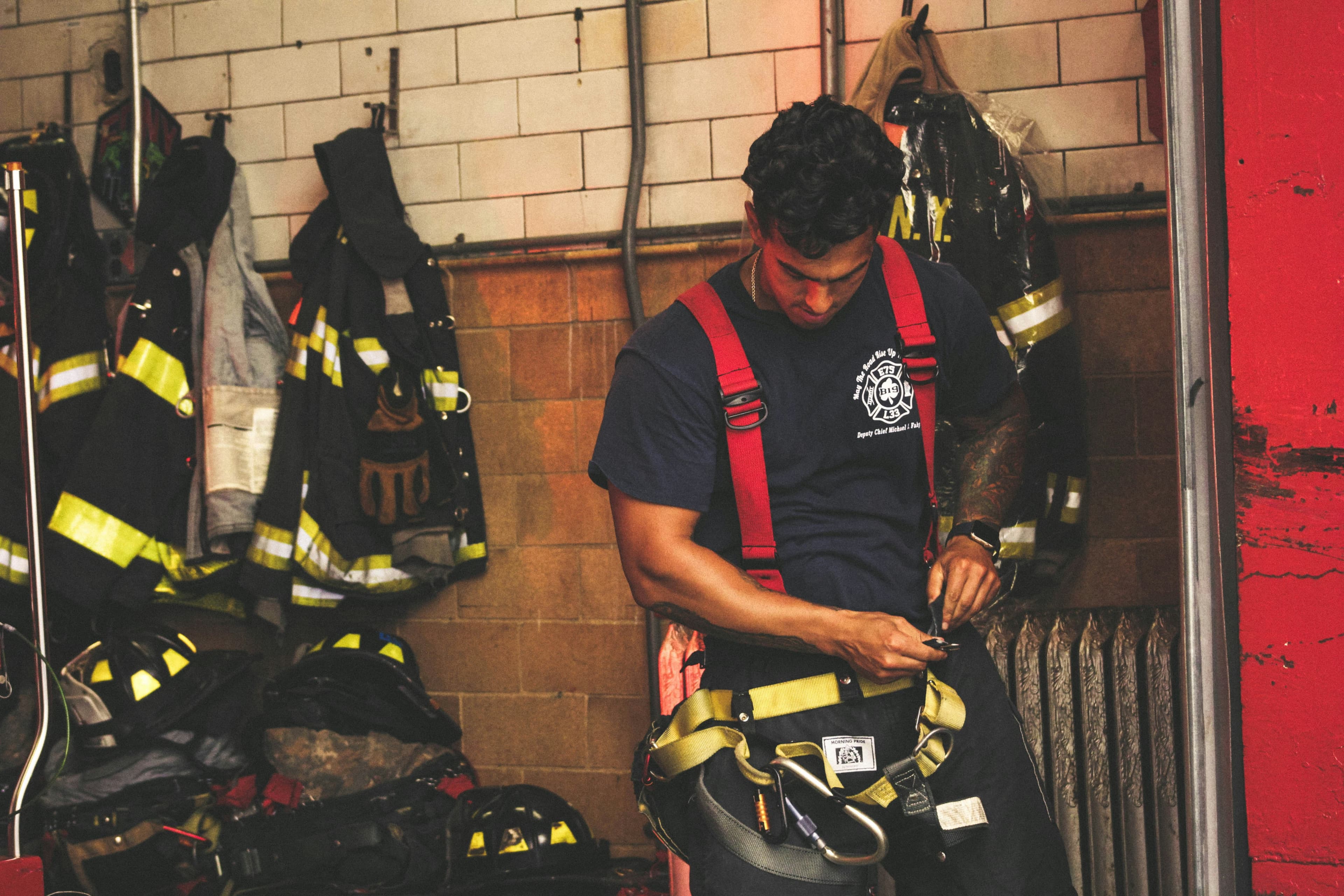
A fire service career affects the entire family, not just the firefighter. Shift work, mandatory overtime, physical danger, and the psychological weight of the job create a unique set of challenges for spouses and partners. Understanding what you're signing up for — and what supports are available — makes a real difference.
The Reality of Shift Work
Most career firefighters work a schedule that takes them away from home for 24 or 48 hours at a time. Common schedules include a 24-on/48-off rotation or a modified schedule where your spouse works roughly 10 days per month — but those days are irregular, often including weekends and holidays.
This means birthdays, anniversaries, school events, and holidays will regularly fall on shift days. Learning to celebrate on the adjacent day, rather than the calendar day, is an adjustment most fire families make early on.
Mandatory Overtime
Beyond the regular schedule, mandatory overtime — called 'mandatory holdover' or 'forced overtime' — is common, especially when staffing is short. Your spouse may call to say they're coming home, and then not come home because someone called in sick.
Building flexibility into your own schedule, particularly around childcare and family logistics, reduces the friction these situations cause. Fire families who struggle most are often those who planned around the expectation of perfect schedule adherence.
The Psychological Side
Firefighters regularly witness trauma, death, and suffering. Most develop healthy coping mechanisms over time, but many also come home carrying weight they don't know how to put down. This can manifest as withdrawal, irritability, hypervigilance, or difficulty transitioning back to domestic life after a difficult shift.
The fire service culture has historically discouraged talking about mental health. That is slowly changing, but it means many firefighters still process difficult experiences internally rather than externally. Spouses who create low-pressure openings for conversation — without demanding disclosure — often find their partners are more willing to share.
If your spouse is struggling, the Firefighter Behavioral Health Alliance and many state and local firefighter assistance programs offer confidential support. PTSD is real and treatable, and seeking help is not a career-ending move.
Financial Considerations
Career firefighter salaries vary enormously by department — from around $35,000 in some smaller departments to over $100,000 in large metropolitan areas. Most include pension plans, health insurance, and overtime opportunities. Many firefighters work second jobs or side businesses during their off days.
Understand your department's pension structure early. Traditional defined-benefit pensions are common in the fire service and represent significant retirement income — but they often require a minimum years-of-service vesting period. Leaving the job before vesting can mean forfeiting most retirement benefits.
Building a Fire Family Support Network
Connection with other fire families is one of the most underrated resources available to you. Other spouses who understand shift work, mandatory overtime, and the unique stresses of the job provide a kind of support that friends and family outside the fire service often can't.
Many departments have formal or informal family associations. Beyond that, national organizations like the National Fallen Firefighters Foundation offer support resources that extend well beyond line-of-duty loss.